Other Income and Other Expenses Explained for Handmade Business Owners
Coaches love to talk about adding more revenue streams, and I’m not against that. But before you toss product sales, pattern sales, class income, ad revenue, affiliate commissions, and random rebates into one big “Sales” bucket, let’s talk about why that can make your reports muddy fast. Other Income and Other Expenses may sound like boring bookkeeping leftovers, but they can help you see what’s actually working in your handmade business, what belongs somewhere else in your books, and what just made the month look better than it really was.
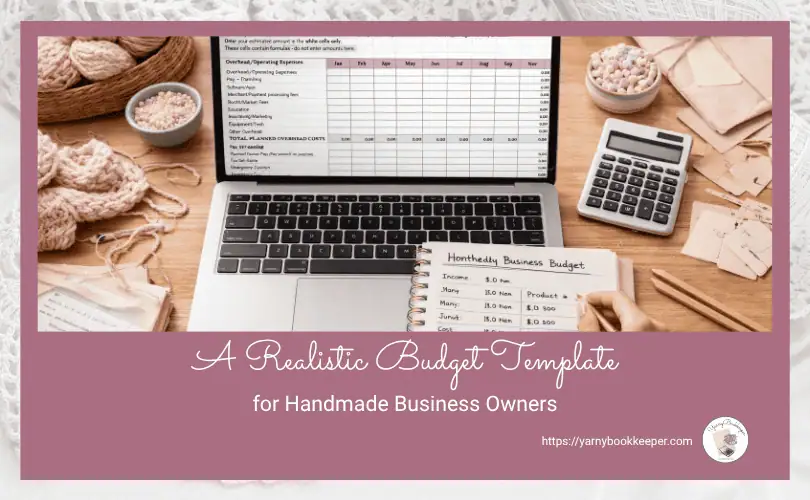
A Realistic Budget Template for Handmade Business Owners
If you’ve ever wondered where all the money from your handmade business actually goes, this post walks you through the Handmade Business Budget Planner so you can plug in your own numbers and make a real plan for expenses, product costs, taxes, and owner pay before the money disappears.
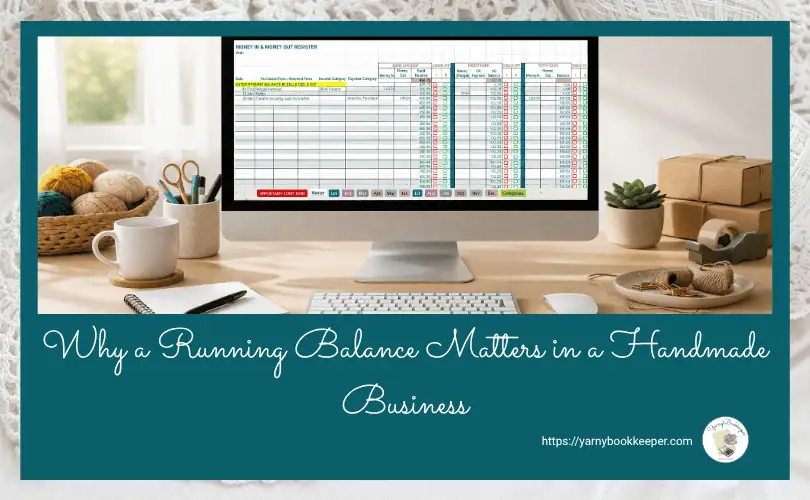
Why a Running Balance Matters in a Handmade Business
If your business money feels hard to follow from one week to the next, a running balance can help you see what’s actually happening. In this post, I’m sharing why a running balance matters in a handmade business and the simple Money In & Money Out Register I created to help makers track their money more clearly.