




How to Calculate Cost of Goods Sold (COGS) for a Single Handmade Item (Step-by-Step)
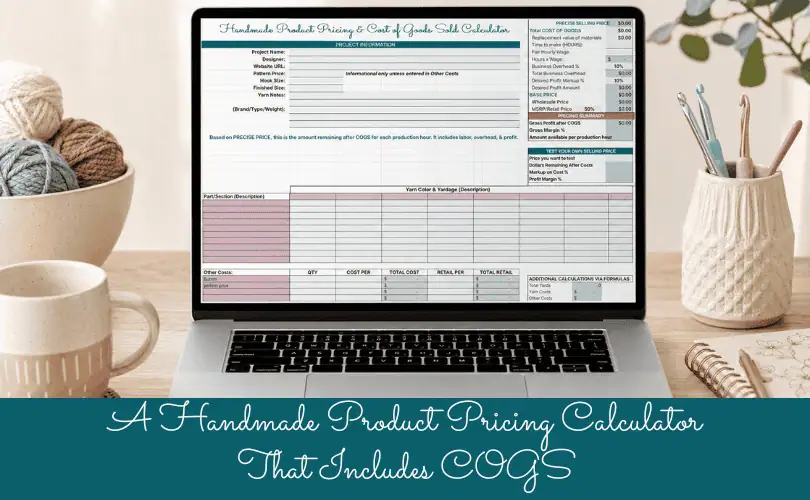
COGS doesn’t have to feel like a mystery novel. Here’s how to calculate cost of goods sold for one handmade item using a crochet amigurumi witch—materials, selling fees, and the bookkeeping flow. PLUS there’s a video showing how this is done using the 10-Minute Bookkeeper system including the Handmade Product Pricing & COGS Calculator. Part 7 of the Inventory + COGS for Handmade Businesses series.

COGS + Inventory: 3 Reasons Handmade Sellers Can’t Ignore
Tracking Cost of Goods Sold (COGS) and inventory can feel confusing because bookkeeping, pricing, and taxes all use them differently. This post breaks down the 3 real reasons handmade sellers need to track COGS + inventory — with a full start-to-finish example so your numbers (and profit) finally make sense.

Do You Really Need 15 Spreadsheets in Your Handmade Business?
Running a handmade business isn’t a “one spreadsheet and done” situation — no matter what the gurus say. Most makers are juggling pricing sheets, inventory lists, COGS logs, craft fair trackers, mileage logs, and at least one mystery tab they’re afraid to delete. If it feels like your business needs 15 different spreadsheets… it’s because you’re running a real business with real moving parts. Let’s break down why this happens — and how to make it easier.