I'm New To This
Start with the basics of bookkeeping for a handmade business so you can stop guessing what to track, where things go, and what you actually need to pay attention to.

Whether you’re brand new to bookkeeping or already knee-deep in the mess, you’ll find practical help here. Start with the step that fits where you are now — and build from there one doable step at a time.
Start with the basics of bookkeeping for a handmade business so you can stop guessing what to track, where things go, and what you actually need to pay attention to.

Got a bookkeeping question or something that just isn’t making sense? Find plain-English help with expenses, inventory, cost of goods sold, pricing, reports, and the other money stuff that comes with running a handmade business.

Sometimes you don’t need another explanation — you need something that helps you actually do the thing. Find calculators, worksheets, spreadsheets, and other practical tools to help you track your numbers and understand what they’re telling you.

Join me live for:
Live Session on Thursday, November 5 • 1-3 PM ET
Before you add another product, promotion, or revenue stream, make sure you understand what the ones you already have are actually doing for your business. Join me for a practical look at where your sales money may be leaking out—or getting tied up.

I’m Nancy — a career bookkeeper, small business owner, and maker. These days, I put that experience to work as a bookkeeping coach for handmade business owners, teaching the practical side of bookkeeping in plain English. I know the accounting rules, but I also know that running a handmade business doesn’t happen inside an accounting textbook.
That’s why I focus on what you actually need to know to handle the situation in front of you. No giant accounting lectures. I’ll explain what to do, why it matters, and how it fits into the way your handmade business really works.
Because bookkeeping isn’t just about keeping records or getting ready for taxes. It should help you understand what’s happening with your money so you can make better decisions about pricing, spending, inventory, and the business you’re trying to build.
Bookkeeping questions usually pop up when you’re trying to figure out something specific — where an expense goes, how inventory works, what your numbers mean, or whether you’re doing any of this right. Start with the latest practical, plain-English bookkeeping help for handmade business owners.
Or read this post Handmade Business Bookkeeping: A Plain-English Guide for Makers

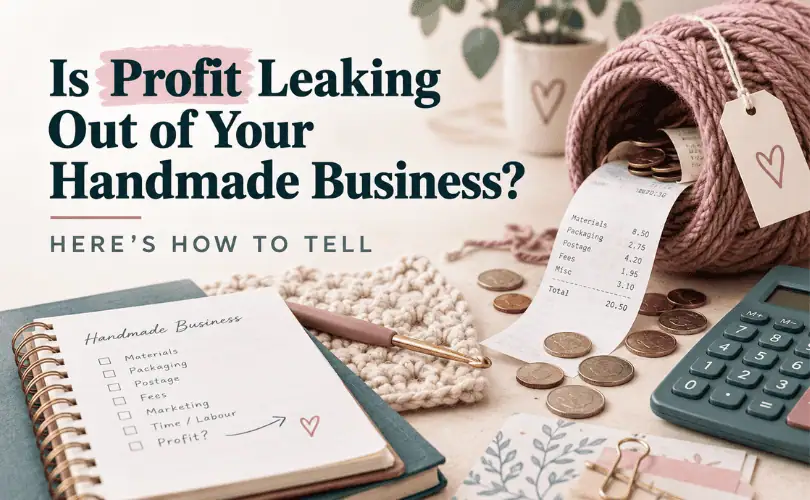
You’re making sales, filling orders, and working your tail off. So why is there so little money left to show for it? Before you decide you need to sell more, here are four things I’d look at first—and why the problem might not be profit at all.
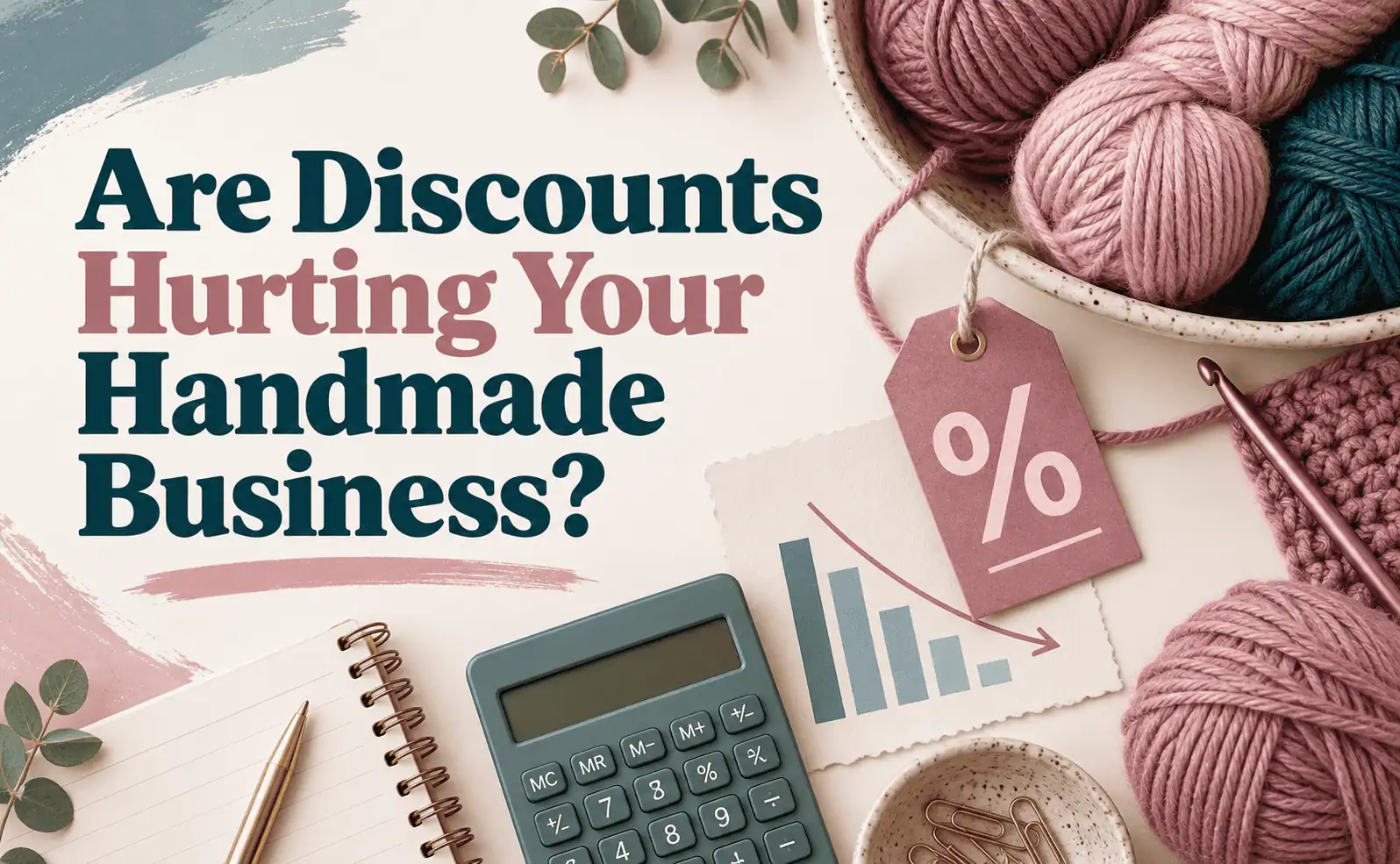
More sales don’t always mean more profit! Discounts may bring in customers, but how much money are you actually keeping? Learn how discounts affect your handmade business’s pricing, costs, and bottom line.
Free bookkeeping software can sound like an easy answer, but not every program gives a handmade business the information it needs. Here’s what to look for and which free options are worth considering.
Real handmade business owners who wanted the money side of their businesses to make more sense — in their own words.
